By: Yog Rahi Gupta
Time Is Muscle”: Dr. Shuangbo Liu Delivers Powerful Heart Health Message
Heart Health Awareness Session Highlights Importance of Acting Fast During a Heart Attack
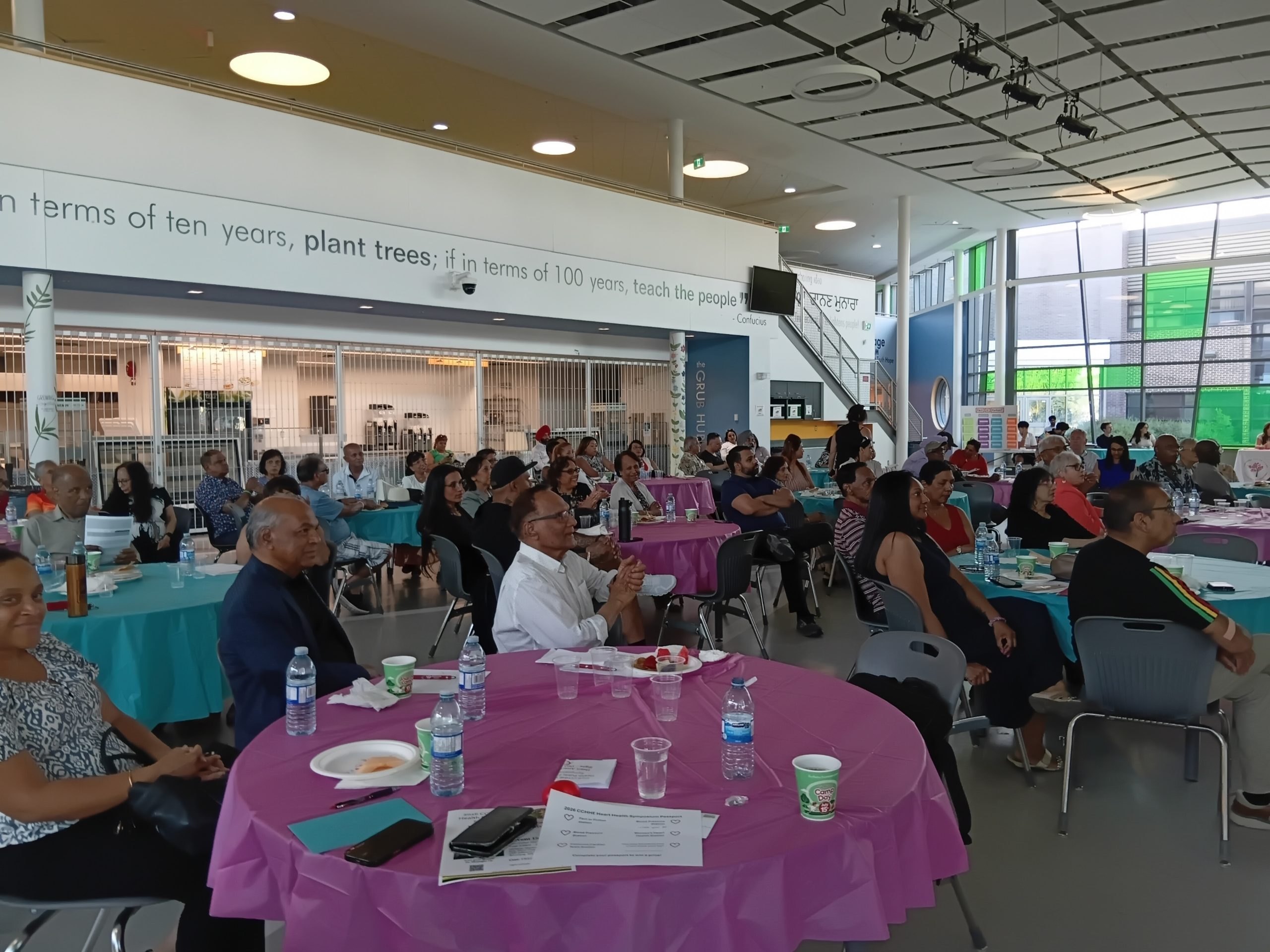
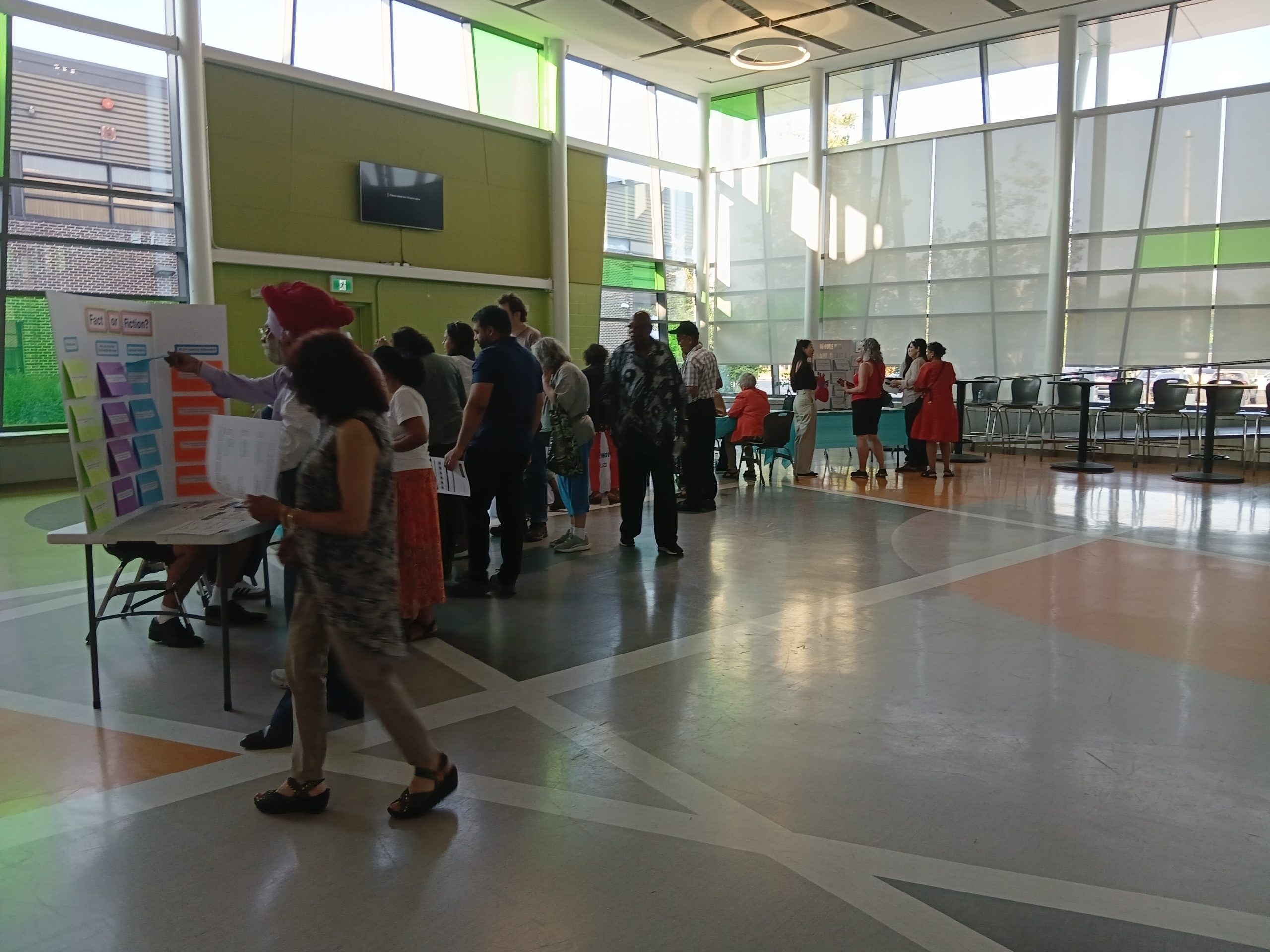
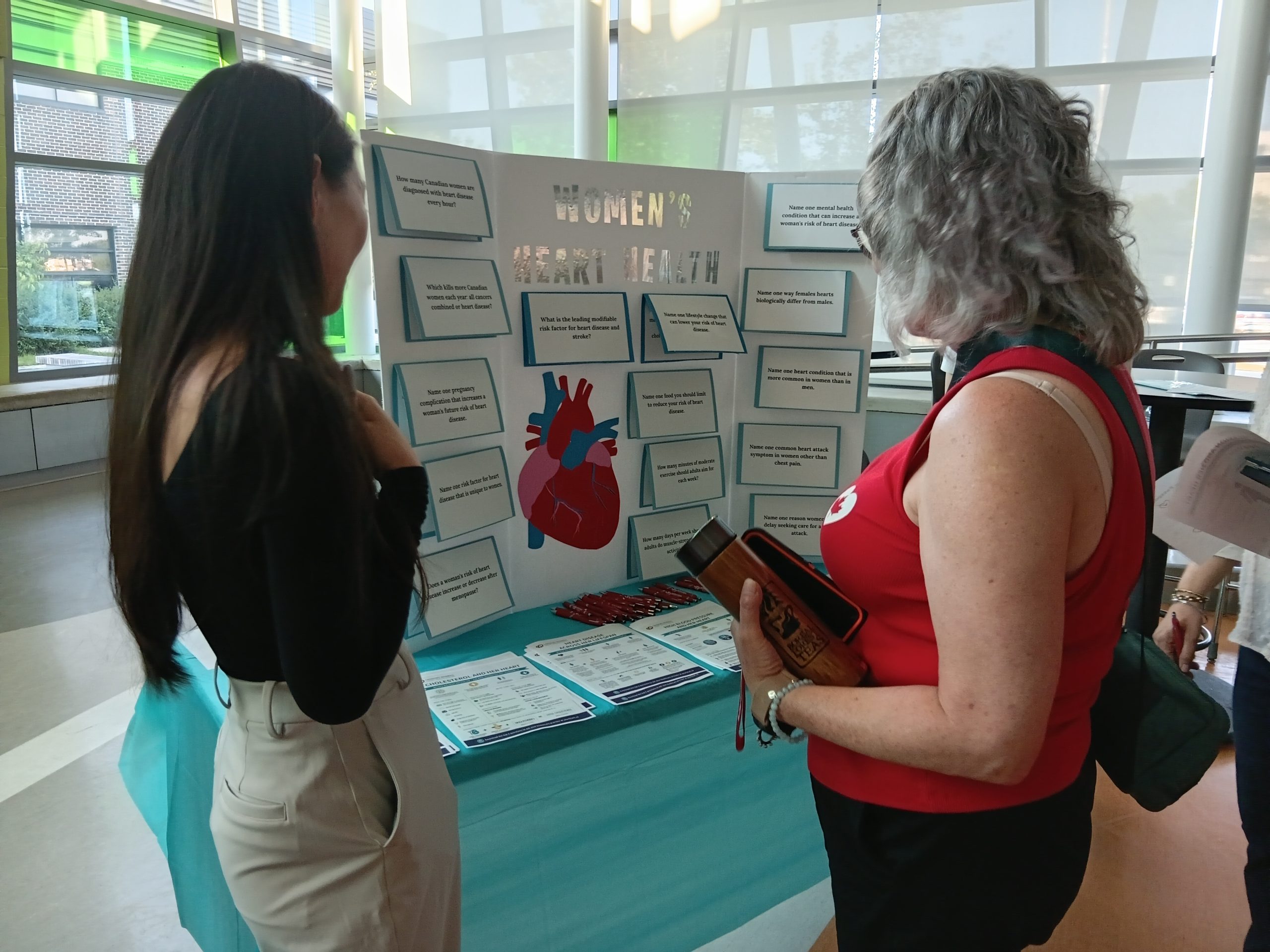
The Maple Collegiate Conference Hall was the venue for a highly informative and educational public forum on heart health as part of the 2026 Caribbean Canada Heart Health Education Initiative. This marked the organization’s sixth public forum, bringing together community members, healthcare professionals, students, and volunteers to learn about heart attack awareness and prevention.
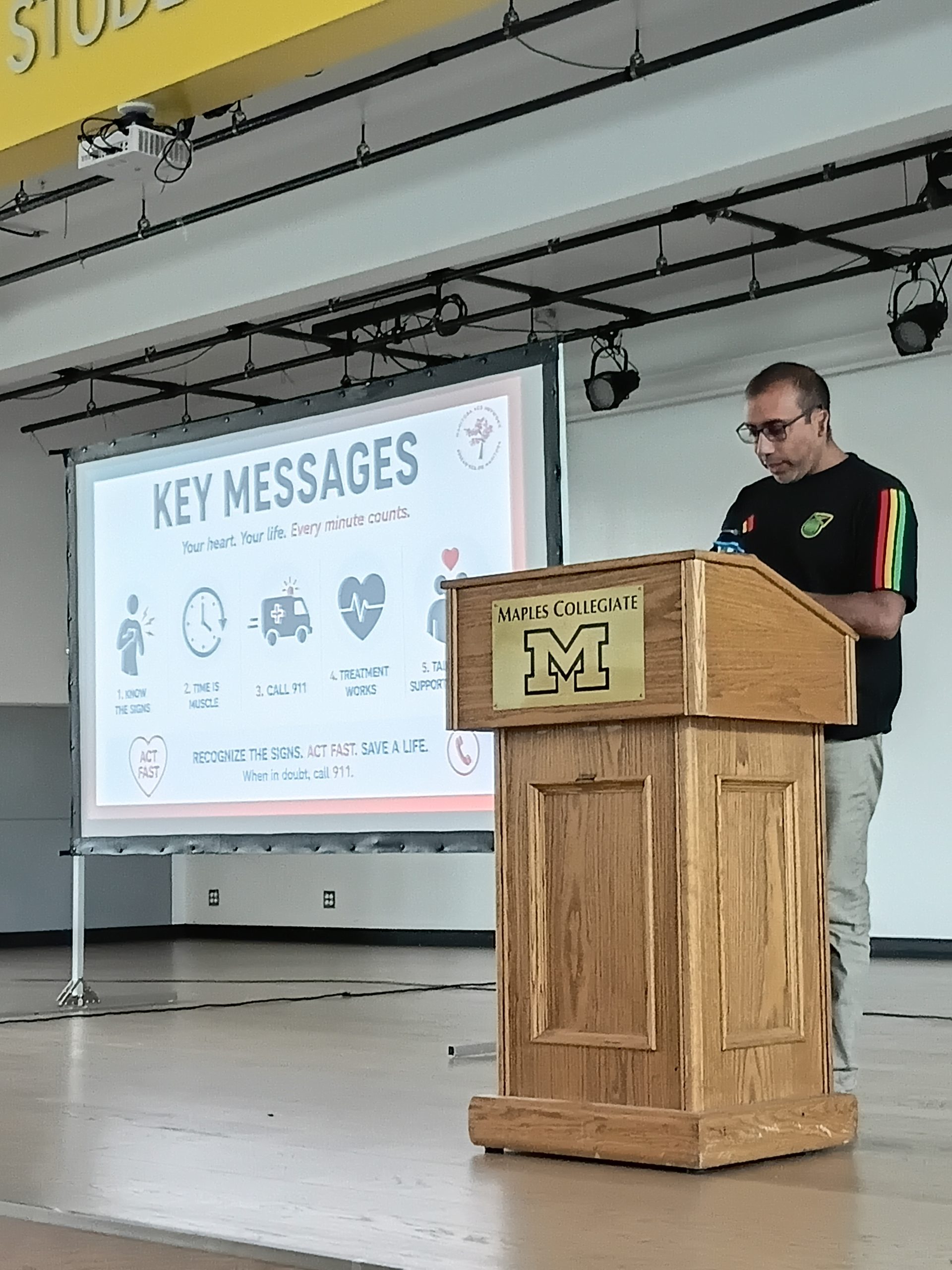
The event was expertly emceed by Dr. Paramjit Tappia, who welcomed attendees and guided the proceedings. He invited Mr. Kamta Roy Singh, President of the Caribbean Community organization, to provide opening remarks and highlight the organization’s ongoing activities and achievements.
Mr. Singh shared the history and mission of the organization, which has been actively serving communities since 2015. He spoke about its humanitarian efforts, including raising funds to purchase and ship medical equipment and supplies to Caribbean countries and assisting victims affected by devastating hurricanes. His remarks underscored the organization’s commitment to community service, global health, and improving access to healthcare for vulnerable populations.
Following his presentation, Mr. Singh invited Dr. Tappia to introduce the distinguished guest speaker, Dr. Shuangbo Liu, Assistant Professor in the Departments of Medicine and Community Health Sciences at the University of Manitoba, Interventional Cardiologist at St. Boniface Hospital, and an emerging leader in cardiovascular research and community health.
Dr. Liu delivered a compelling and educational presentation on heart attack awareness, emphasizing that heart disease affects 1 in 12 Canadians and that more than eight Manitobans experience a heart attack every day. She explained what happens during a heart attack, describing how a coronary artery becomes blocked, preventing oxygen-rich blood from reaching the heart muscle. If treatment is delayed, permanent damage can occur.
One of her most important messages was:
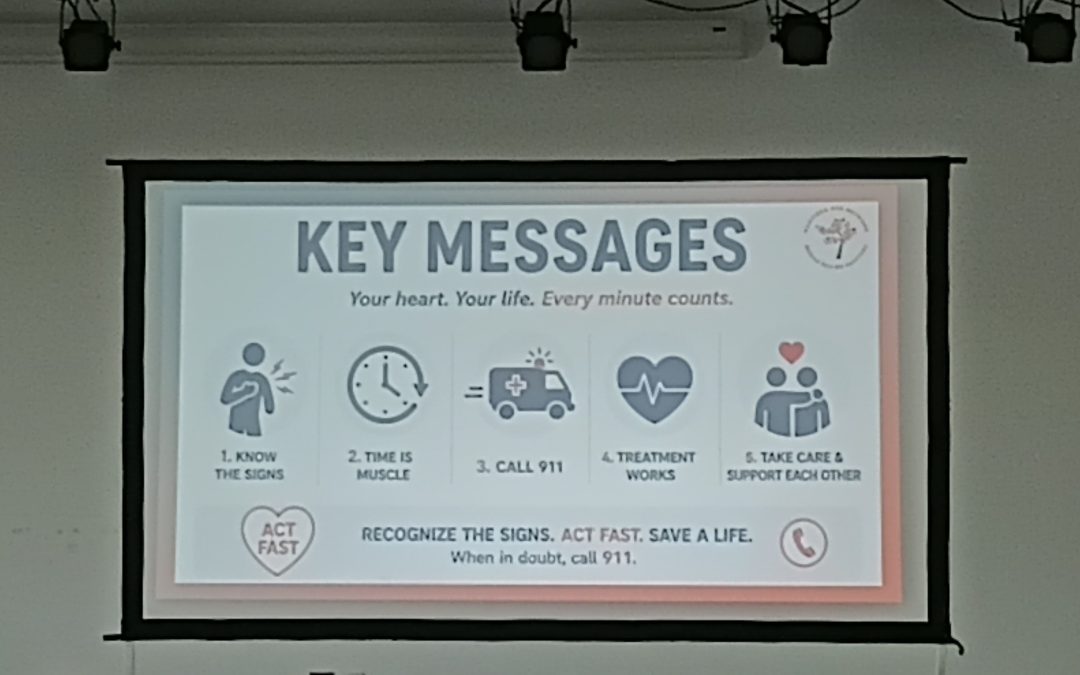
“Time is Muscle.”
She explained that every minute a blocked artery remains untreated results in further damage to the heart. Audience members learned about the common warning signs of a heart attack, including chest discomfort, pain in the jaw, neck, shoulders, arms, or back, shortness of breath, nausea, dizziness, and cold sweating. Dr. Liu also noted that symptoms may present differently in women, older adults, and individuals with diabetes.
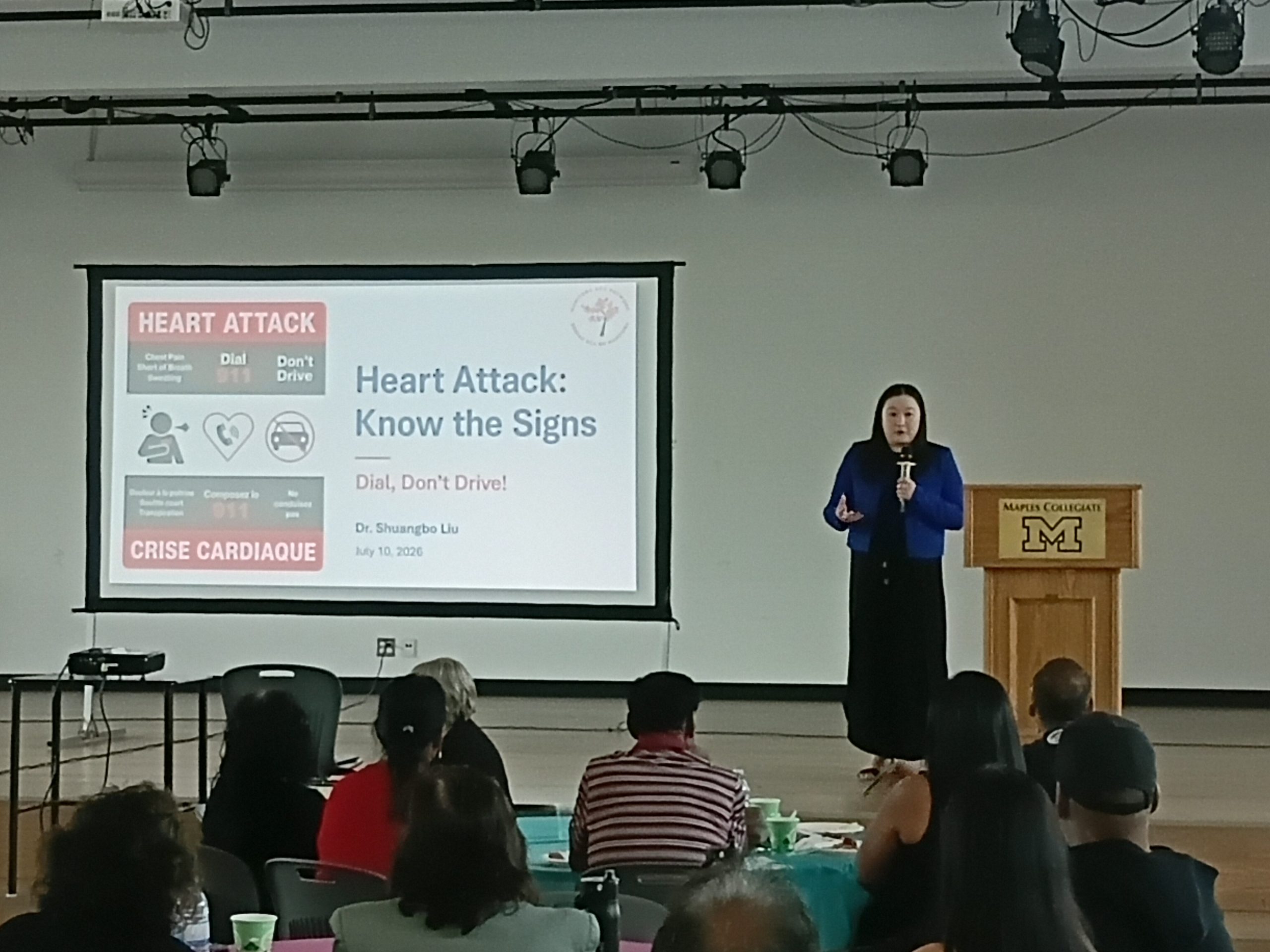
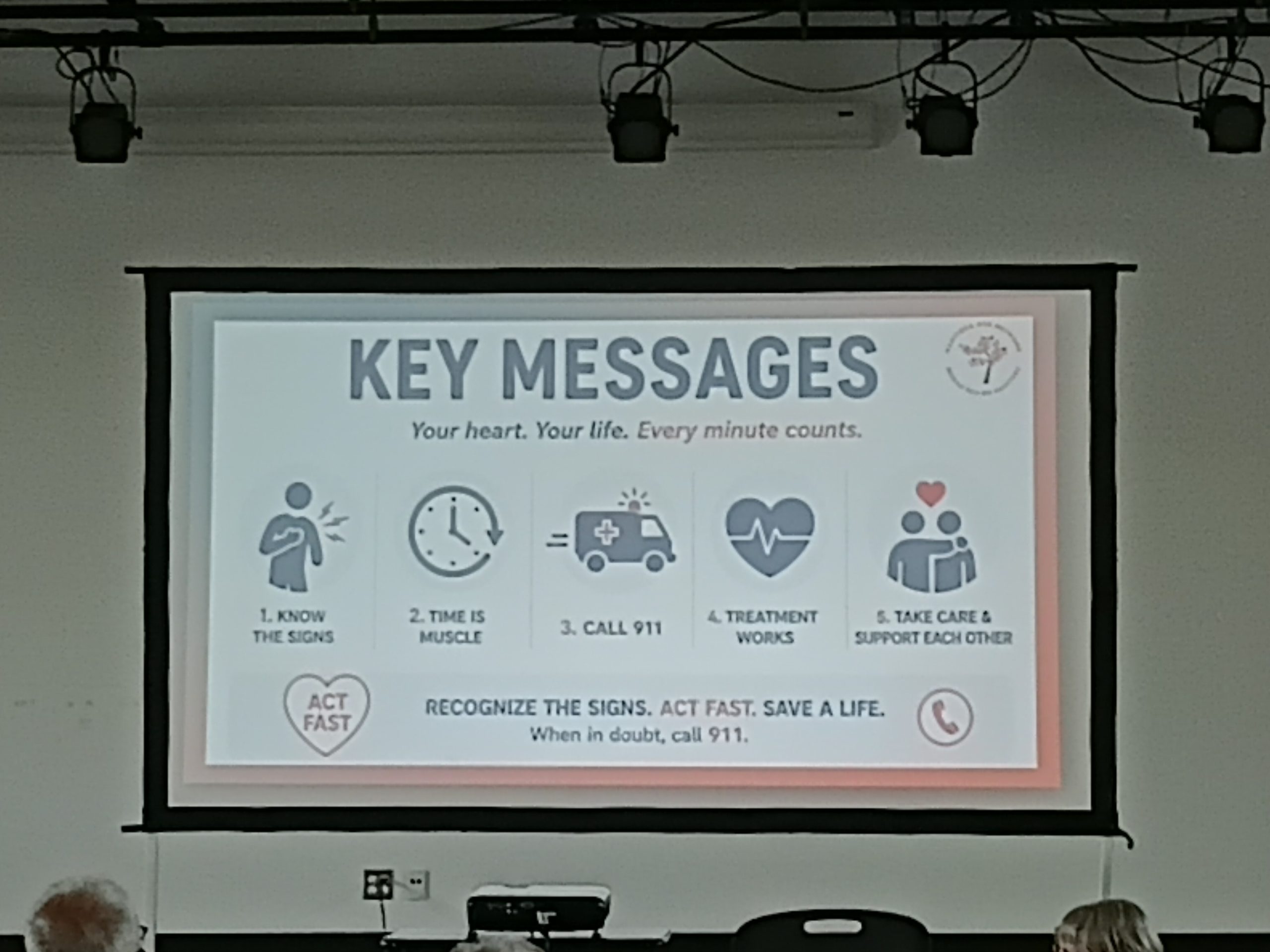
A major focus of the presentation was the importance of calling 911 immediately when a heart attack is suspected. Dr. Liu noted that many Manitobans still choose to drive themselves or have family members drive them to the hospital instead of calling emergency services. She explained that calling 911 ensures prompt medical attention, allows paramedics to begin treatment immediately, and alerts the hospital before the patient arrives, enabling faster diagnosis and care. While there may be a fee for ambulance services, she stressed that life-saving care should never be delayed and shared that efforts are underway to help remove financial barriers for those who cannot afford the cost.
Drawing from her own experience as an immigrant who came to Canada from China at the age of nine, Dr. Liu spoke passionately about helping newcomers navigate the healthcare system. She acknowledged that language barriers can sometimes prevent patients from clearly communicating their symptoms and concerns, and emphasized the importance of ensuring that all patients receive equitable care and understanding.
Dr. Liu also highlighted the role of lifestyle and diet in heart health, noting that dietary recommendations should consider an individual’s cultural background and traditional eating habits. She encouraged attendees to make heart-healthy choices while respecting their cultural traditions.
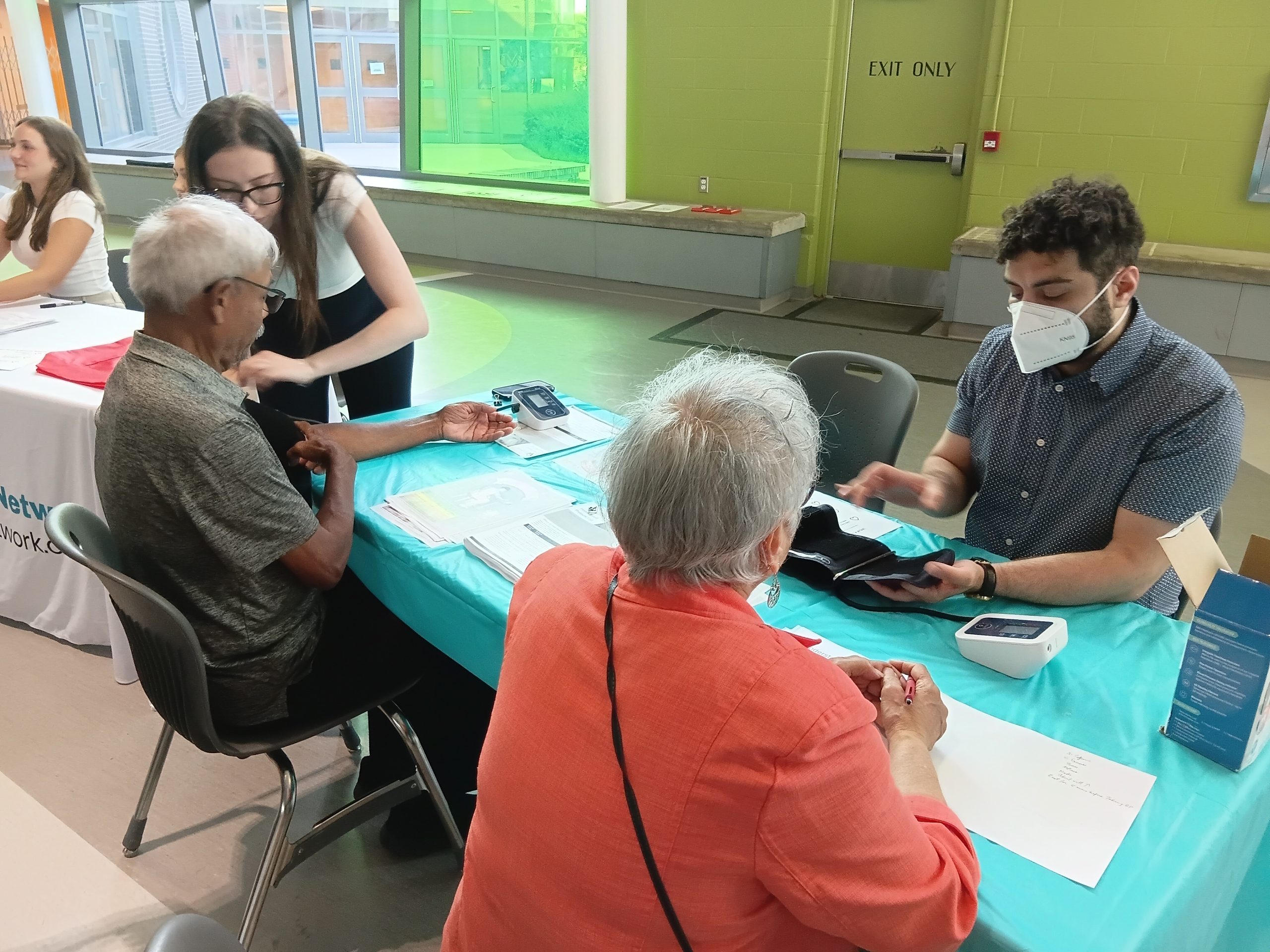
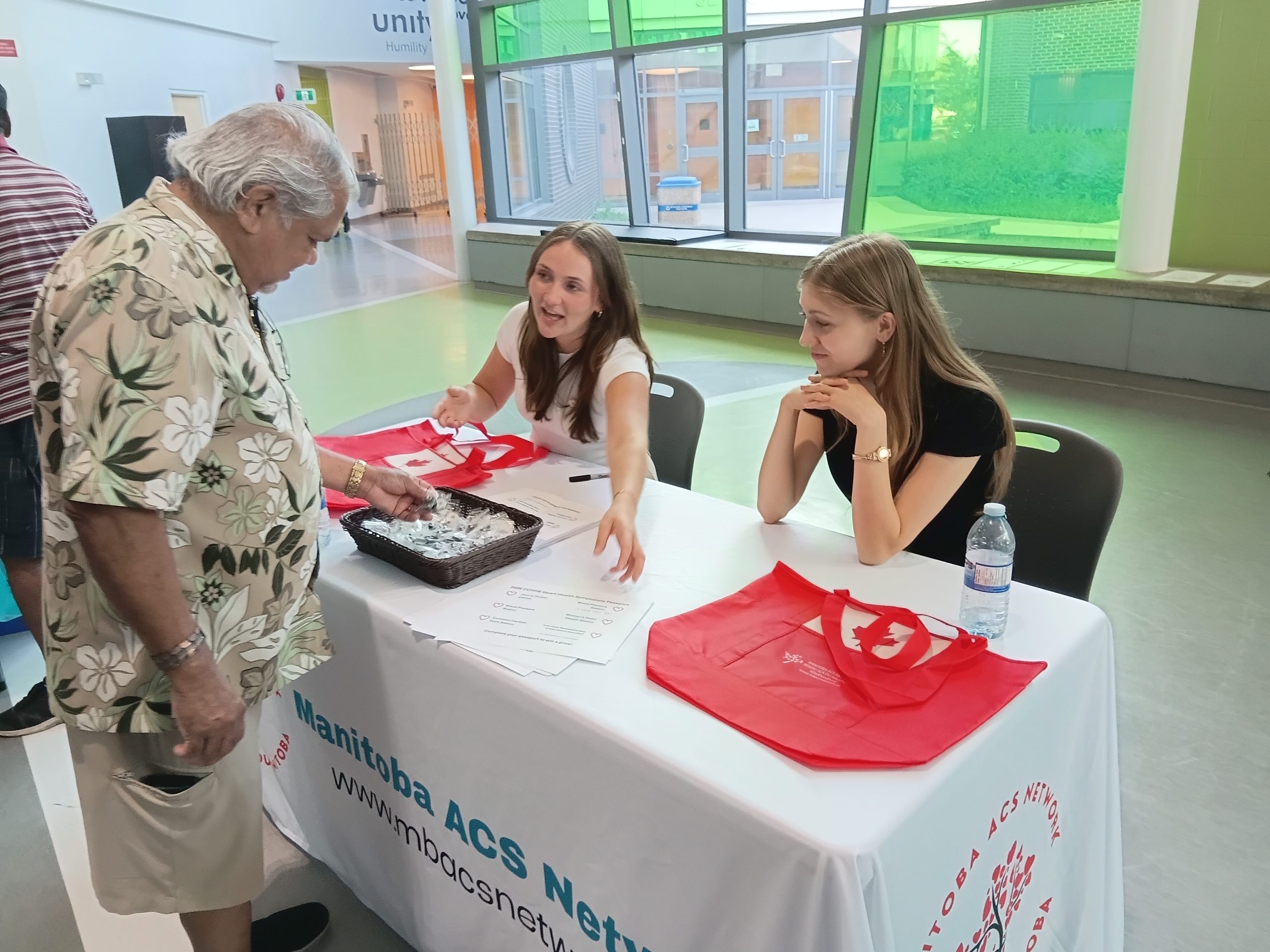
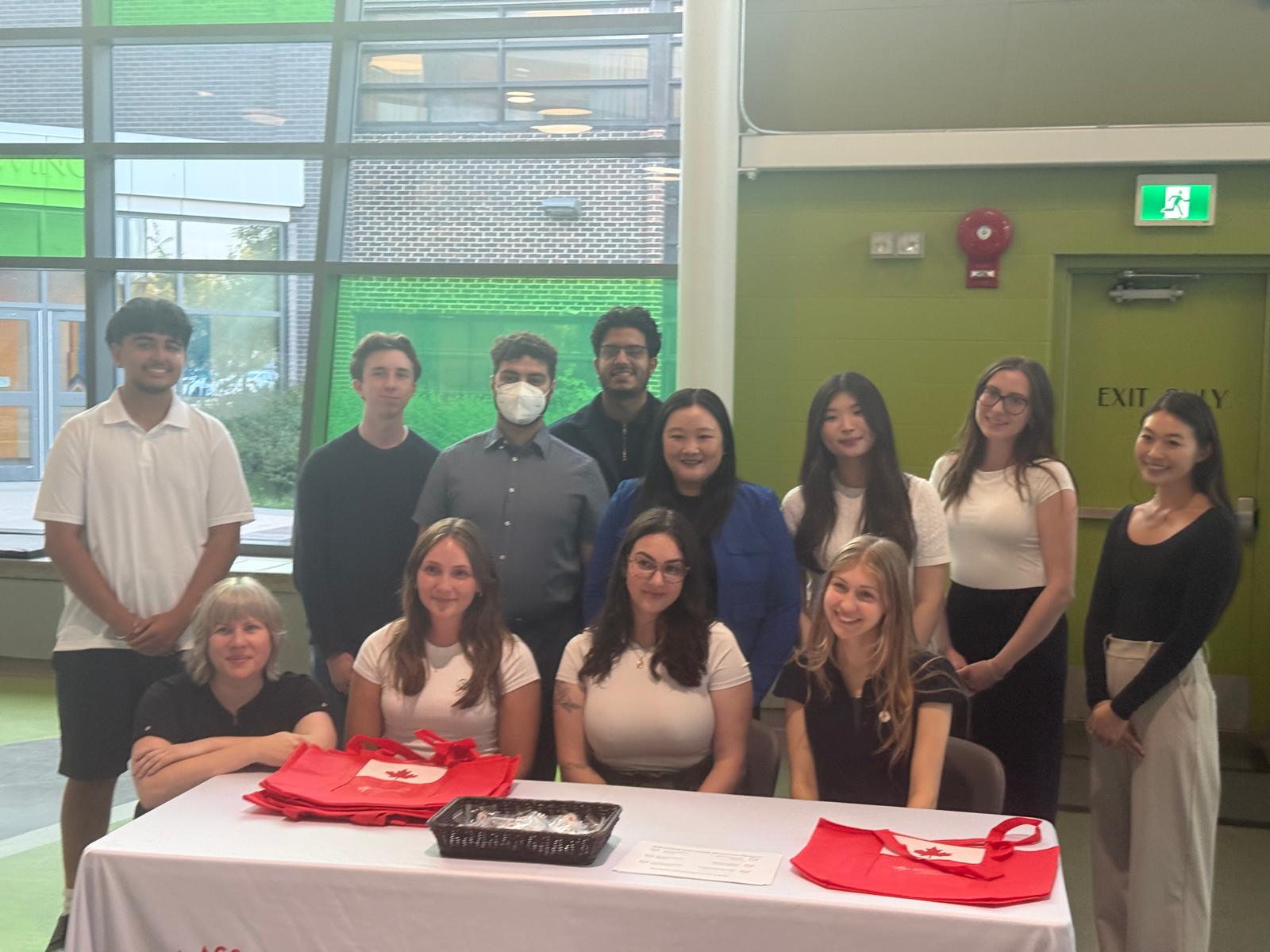
During her presentation, she recognized and thanked the student volunteers who assisted with the event and commended their commitment to community service and health education.
The audience remained highly engaged throughout the session, asking thoughtful questions during an interactive question-and-answer period. Dr. Liu responded patiently and thoroughly, providing valuable insights and practical advice on heart health, prevention, and emergency response.
The event concluded with a powerful message:
“Recognize the signs. Act fast. Save a life. Every minute counts.”
I had the privilege of attending this outstanding presentation and was fortunate to have a meaningful one-on-one discussion with Dr. Liu afterward. Her humility, clarity, and deep commitment to improving heart health—were evident not only during her lecture but also in her personal interactions. Our conversation provided a deeper appreciation of the importance and urgency of her work.
The forum was both educational and inspiring, reflecting the continued success of the Caribbean Canada Heart Health Education Initiative in promoting awareness, prevention, and healthier communities.